What is the Alexander Technique?
The Alexander Technique is an educational method that helps you understand and change the way you move and respond to the world.
Move well. Feel better. Be more yourself.
About the technique
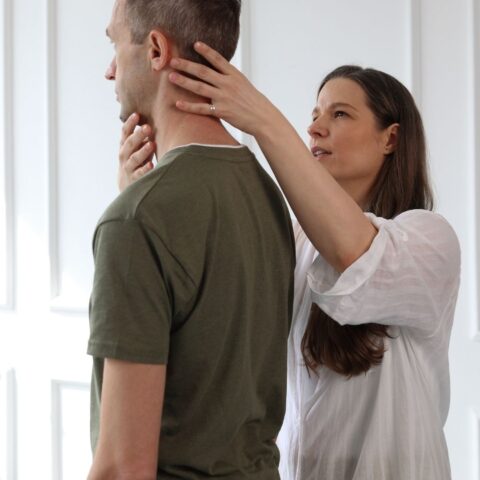
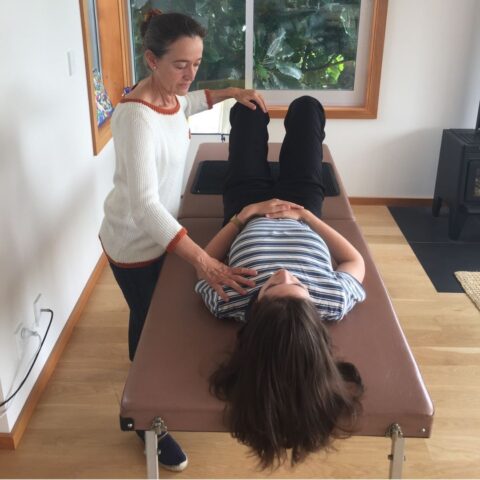
Over a series of lessons, a qualified teacher uses verbal guidance and gentle hands-on direction to help you notice unconscious patterns of tension and learn to release them. The result is often a significant reduction in pain and stress, alongside a sense of ease that students describe as feeling lighter, clearer and more alive.

Freedom to choose
It starts with who you are, wherever you’re at.

All our experience is stored in the body. Life happens, and we develop strategies to cope with our mental, physical, and emotional experiences. These become patterns, so familiar that they start to feel normal. They shape the way we sit, stand, move and live. Sometimes, they can restrict us in ways we are not even aware of.
The Alexander Technique gives you the freedom to choose your response. It does this not by correcting your posture or telling you how to sit, but by applying three simple principles:
- Inhabit your body.
- Create a pause in your nervous system.
- Use conscious intention to find a new pathway.
Where in your life would you like to feel more ease?

Move with Ease
Often we’re not aware of posture and movement patterns that may bring pain or limitation to our everyday lives. Alexander Technique gently teaches you to notice your patterns, release the tensions that have built up over a lifetime and find a freer, more natural way of moving.
- Everyday movement
- Back and neck pain
- Computers and devices
- Yoga and Pilates
- Hypermobility and EDS
- Parkinson's
- Running
- Swimming
- Horse Riding

Perform with Presence
Musicians, actors, singers and presenters need whole-bodied expression. When your abilities aren’t hampered by unnecessary tension and strain, you experience greater confidence, more connection with your audience, and a more vital stage presence.
Learn more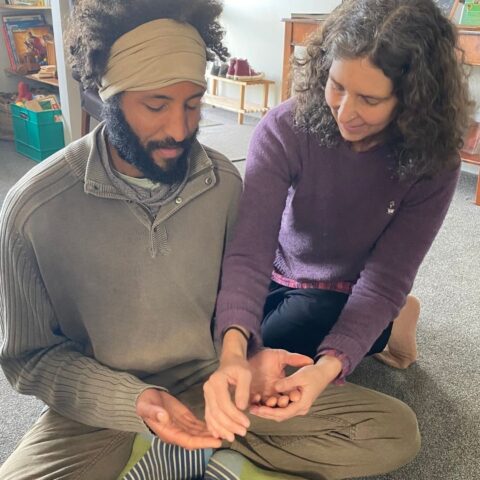
Embody Mindfulness
Life puts huge demands on our attention and energy. We rush. We multitask. We get overloaded. The Alexander Technique is an opportunity to slow down and notice what is happening beneath the surface, opening up a world of presence and self-awareness.
Learn more
There's science behind the ease.
What the research shows
There is a growing body of scientific peer-reviewed research on AT in areas including chronic pain, healthy ageing, balance, performance, stress regulation, breathing, and quality of life.
Several studies have found that learning the Alexander Technique can help people make lasting changes in how they move, sit, stand and respond to physical and mental stress. Benefits often continue well after lessons have finished.
Want to go deeper? Browse two comprehensive Alexander Science research libraries online:

Becoming more of who you are
Ultimately, this work touches who you are by bringing you into the present moment and expanding your awareness. When your mind and body are working in sync with each other, you can go with the flow of life’s ups and downs without losing your balance.
Frequently asked questions
An education. You’re learning a skill — the skill of noticing and changing the habits that interfere with your natural coordination.
No. Many students come to move better, perform better, age well, or simply feel more at home in their body.
Yoga and Pilates are practices you do. The Alexander Technique is a way of thinking and using yourself that applies to any movement. Physiotherapy treats specific injuries; AT works at the level of the habits underneath your whole way of moving.
There are no exercises. You might choose to do a practice called constructive rest — 10 to 15 minutes a day lying down in a specific way. Beyond that, the work is in your thinking and your application to the activities you already do.
Yes. Three landmark randomised controlled trials have demonstrated lasting benefits for chronic back pain, chronic neck pain and Parkinson’s-related disability.
Anything you can move comfortably in. Avoid stiff jeans and heavy belts.
Look for membership of ATTSANZ — it confirms completion of an accredited three-year training. [Browse the directory →]
Not currently under ACC. Some health insurance will provide cover, check directly with your provider. Some workplace wellbeing programmes will fund lessons and self-employed people can claim tax deductions for professional development or occupational health safety.
Ready to experience the technique?
The best way to understand the Alexander Technique is to experience it. Find a qualified teacher near you and book a first lesson – most teachers are happy to have a conversation beforehand if you have questions.